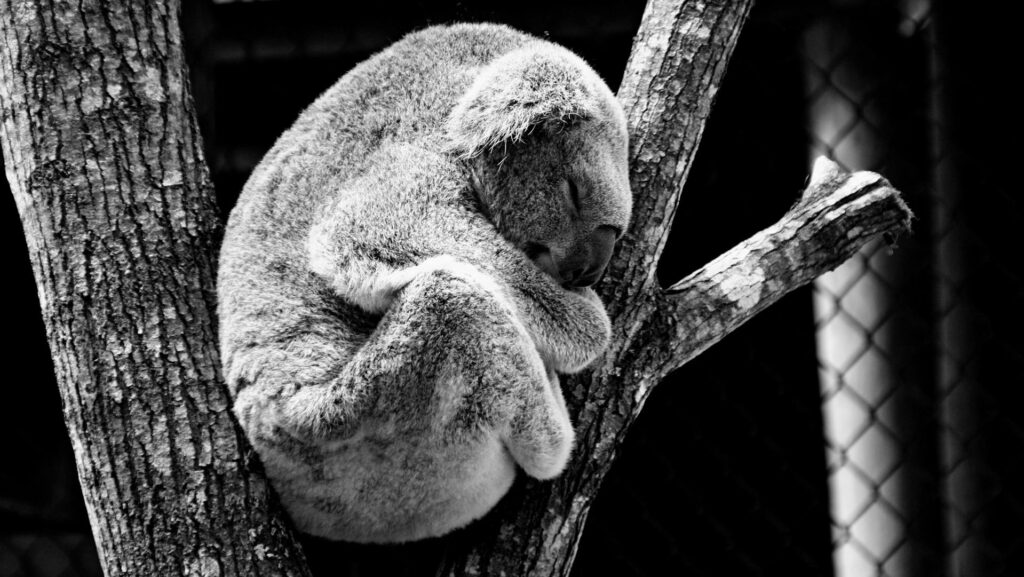
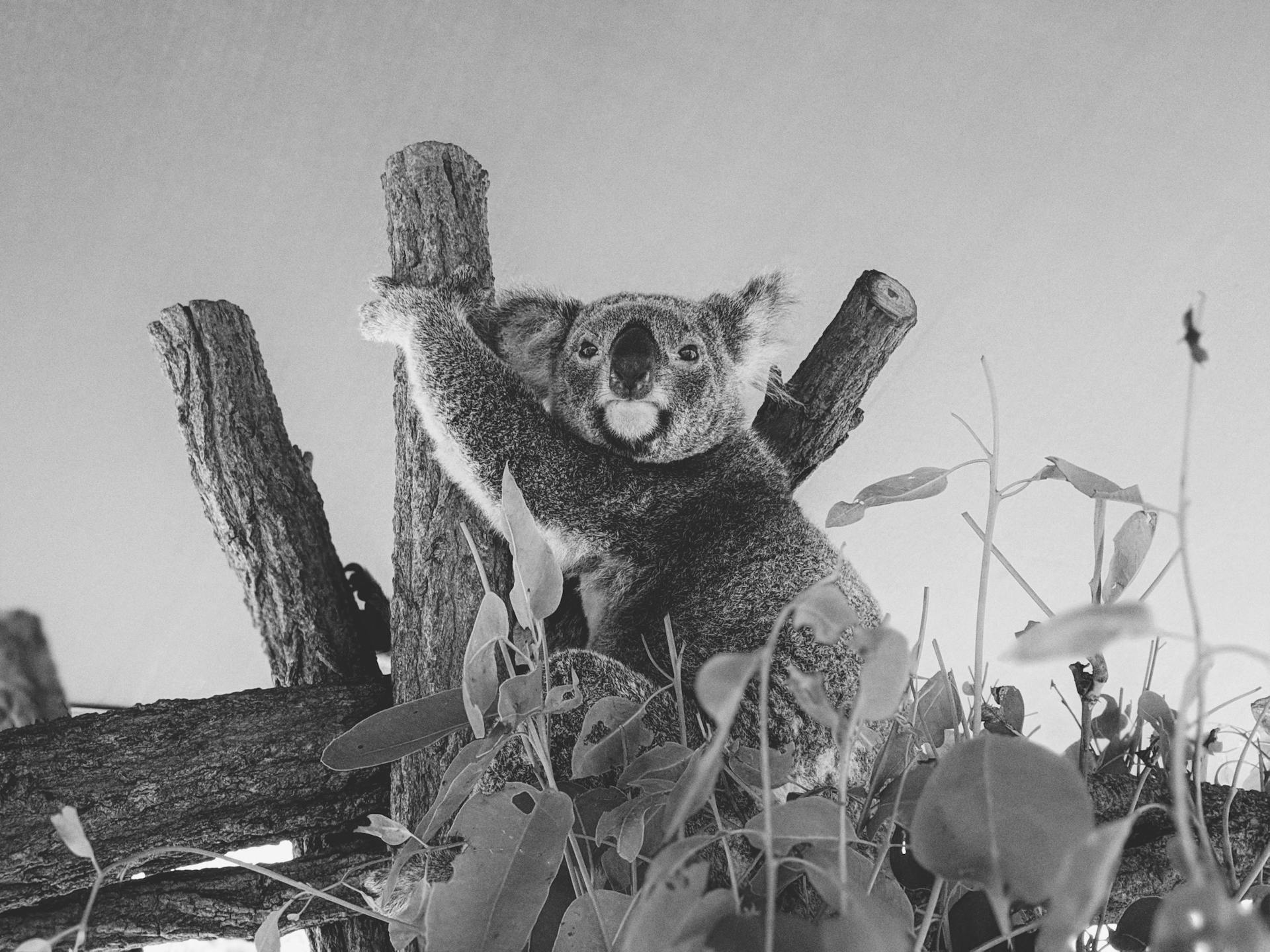
Koalas are more than just an iconic symbol of Australia’s unique wildlife, they’re a precious part of our national heritage. Yet, right now, these beloved marsupials face a trifecta of threats: habitat destruction from construction and urban expansion, relentless bushfires fueled by climate change, and, in some tragic cases, government-sanctioned culling. As a young Australian who’s grown up with koalas as part of my childhood memories, climbing their eucalyptus trees and hearing their gentle grunts. I feel compelled to raise awareness, share the latest data, and ultimately offer hope that together we can help koalas rebound rather than face extinction.
Koalas face an existential crisis as habitat loss from construction, devastating bushfires, and government-sanctioned culling have driven their numbers to record lows. However, by supporting habitat restoration, stronger conservation policies, and community-driven initiatives like Koalaflage’s awareness campaigns, we can unite to protect and revive Australia’s beloved koala populations.
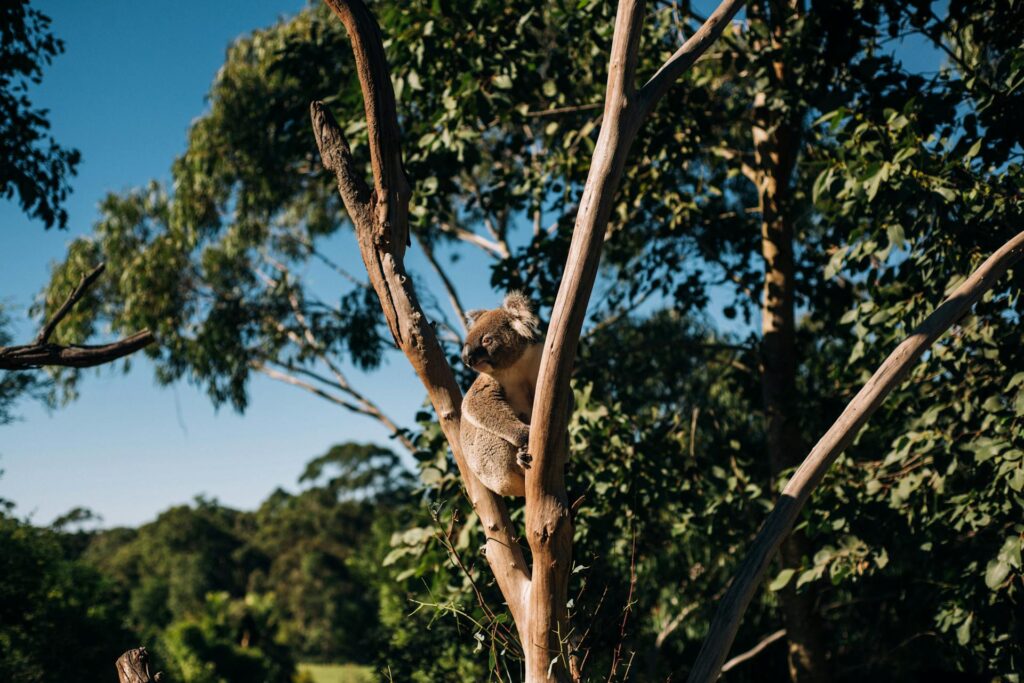
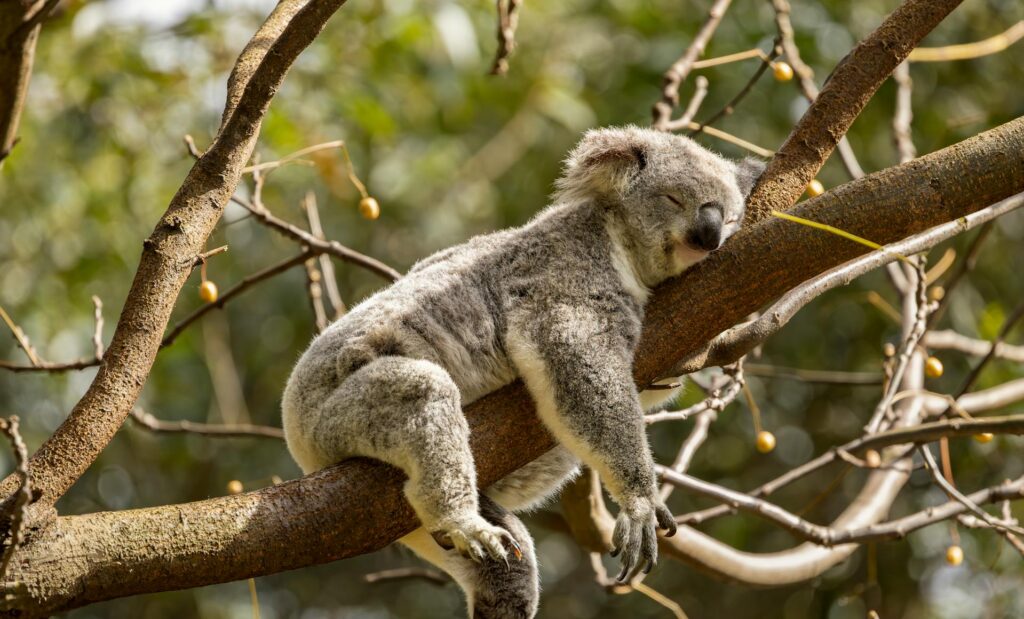
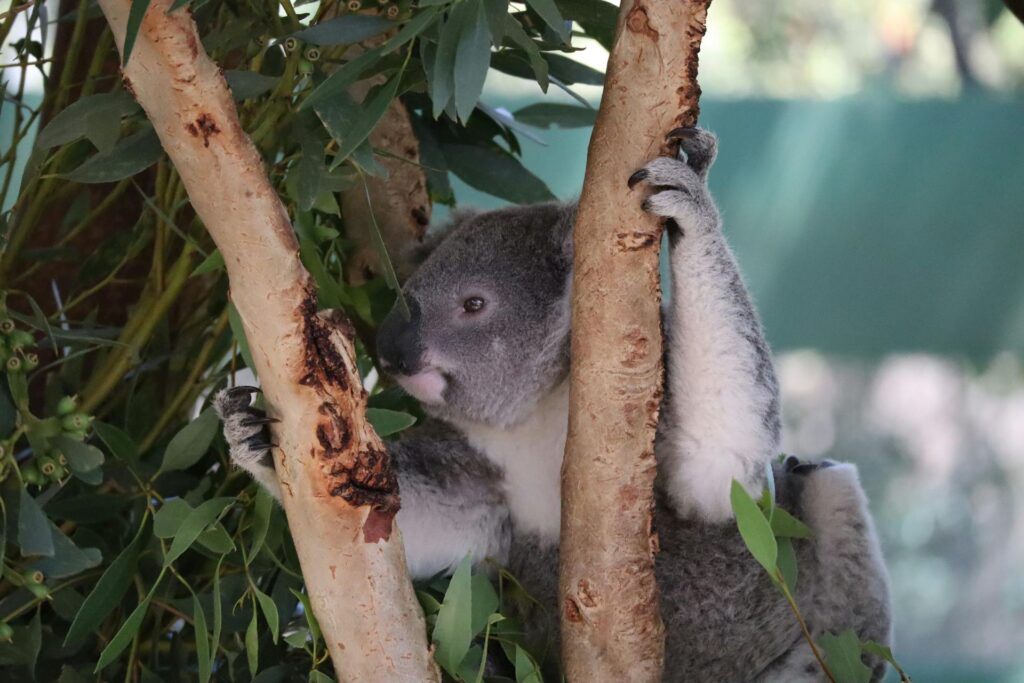
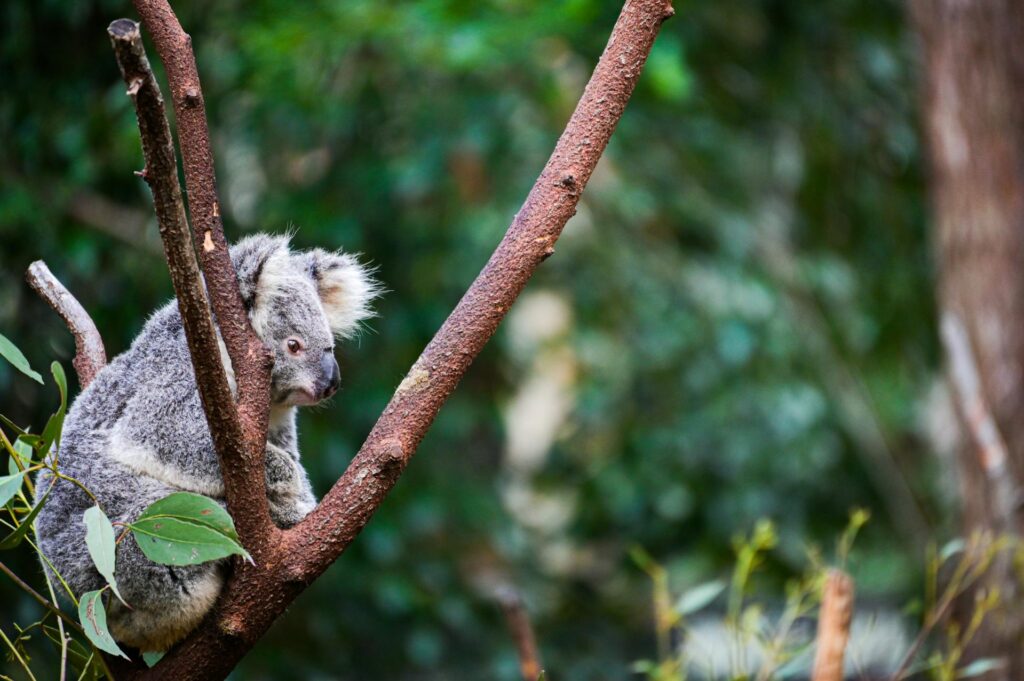
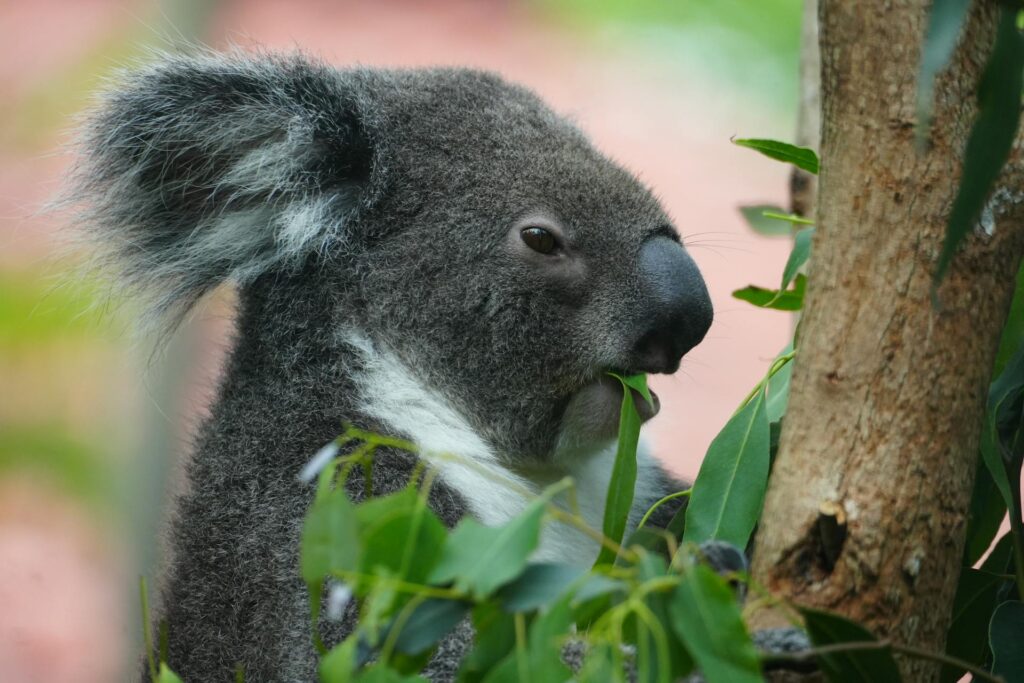
The Triple Threat: Construction, Bushfires, and Culling
Habitat Loss Due to Construction and Urban Expansion
Every year, thousands of hectares of koala habitat are cleared for new housing developments, roads, and commercial projects. In New South Wales alone, it’s estimated that over 2,000 hectares of koala habitat are lost annually to urban sprawl en.wikipedia.orgen.wikipedia.org. Habitat fragmentation not only reduces the total area where koalas can live, but also isolates populations, making it more difficult for koalas to find food, mates, and escape routes during emergencies like bushfires sciencedirect.comen.wikipedia.org.
Bushfires: An Escalating Crisis
Climate change has intensified Australia’s fire seasons, turning what were once periodic bushfire events into devastating, largescale infernos. In early March 2025, Budj Bim National Park in Victoria was ravaged by a lightning-ignited fire that tore through over 2,200 hectares of manna gum forest, one of the koala’s preferred food sources theguardian.comdiscoverwildlife.com. Scientists estimate that, across eastern Australia, nearly 39.56% of total koala habitat already has a “very high” or “high” fire susceptibility rating, a figure projected to rise to 44.61% by 2070 if greenhouse gas emissions remain unchecked sciencedirect.com.
The 2020–2021 Black Summer bushfires demonstrated how quickly entire local populations of koalas can be wiped out. In New South Wales and Queensland, it’s believed that as many as 8,500 koalas perished in those fires alone, and this does not account for indirect losses from habitat degradation and displacement en.wikipedia.org.
Government-Sanctioned Culling
Perhaps the most heart-wrenching consequence of the 2025 Budj Bim fires was the Victorian government’s decision to cull approximately 700 koalas via aerial snipers in April 2025 smithsonianmag.comtheguardian.com. Authorities justified this “compassionate” measure by arguing that many koalas were injured, starving, or suffering without access to their crucial eucalyptus food supply. However, wildlife advocates counter that assessing koalas’ health from helicopters is unreliable, leading to the likely killing of healthy animals, including mothers with dependent joeys nypost.comvox.com.
Critics also point out that decades of habitat mismanagement, particularly the overharvesting of blue gum plantations, contributed to high koala densities in specific areas, which only exacerbated their vulnerability when fires struck. In Victoria alone, the annual harvesting of 8,000–10,000 hectares of blue gum plantations displaces around 42,500 koalas each year, forcing them into overcrowded or unsuitable forests where they’re at greater risk of road accidents, dog attacks, and starvation theguardian.com.
Current Population Data: A State of Decline
According to the Australian Government’s Threatened Species Scientific Committee, the national koala population has plummeted from around 185,000 two decades ago to approximately 92,000 in 2021, a staggering 50% decline en.wikipedia.org. In Queensland, koalas declined by an estimated 53% per generation, while New South Wales saw a 26% drop over the same period en.wikipedia.org. Although populations in South Australia and Victoria were once considered relatively stable, recent events like the 2025 Budj Bim cull suggest that these regions are far from secure.
To put this in perspective: at the start of the 20th century, there were an estimated 8–10 million koalas roaming eastern Australia. Today’s population figures pale in comparison, and that dramatic fall has occurred largely in our lifetime en.wikipedia.org.
AWARENESS & ACTION CAN SECURE A FUTURE FOR KOALAS
Shining a Light on Hope: How We Can Help
Despite these grim statistics, there are many ways individuals, communities, and organizations can turn the tide for koalas:
- Support Habitat Protection and Tree-Planting Initiatives
- Donate or volunteer with groups like the Australian Koala Foundation (AKF) and the NSW Koala Strategy, which work to secure and restore koala corridors.
- Participate in local tree-planting events focused on planting native eucalyptus species to rebuild fragmented habitats. In Victoria, organizations are reforesting parts of Budj Bim’s burnt terrain, aiming to restore koala food sources over the next decade discoverwildlife.comtheguardian.com.
- Advocate for Stronger Legislation
- Write to your representatives to demand stricter controls on land clearing for housing developments and agriculture. In Queensland, for example, recent reforms under the Koala Protection Act 2025 have tightened tree-clearing regulations, but activists say enforcement remains inconsistent en.wikipedia.org.
- Support voter initiatives that prioritize environmental sustainability and wildlife protection. By making koala conservation a political issue, we can help ensure long-term policy changes rather than short-term “band-aid” solutions.
- Engage in Responsible Tourism and Awareness
- Choose eco-certified operators when visiting koala habitats, ensuring your tourism dollars support conservation efforts. Many sanctuaries in Queensland and New South Wales—like Lone Pine Koala Sanctuary near Brisbane, offer educational programs where a portion of ticket fees directly funds wildlife rescue and rehabilitation en.wikipedia.org.
- Spread the word on social media using hashtags like #SaveTheKoalas, #KoalaConservation, and #Koalaflage to raise awareness. Every share can inspire someone else to take concrete action, whether by donating or joining a local volunteer group.
- Donate to Wildlife Rescue and Rehabilitation
- Wildlife carers and hospitals are on the frontlines when bushfires strike. Organizations like WIRES (NSW Wildlife Information, Rescue and Education Service) and Wildlife Victoria rely heavily on public donations to treat and rehabilitate injured or orphaned koalas. Your contributions can directly help purchase veterinary supplies, pay for specialized diets, and cover transport costs for joeys in need nypost.com.
- Purchase Awareness Products from Koalaflage
- Koalaflage, a grassroots Australian brand, creates unique artwork and lifestyle products, like eco-friendly T-shirts, reusable tote bags, and art prints—featuring original koala designs. A percentage of every sale goes directly to koala conservation partners. By wearing or gifting these items, you not only look great, but also spark conversations about the koala crisis.
- Follow Koalaflage on social media (@Koalaflage on Instagram and Facebook) to stay updated on limited-edition drops and collaborations with wildlife artists. Each piece is hand-designed by young Australians who share a passion for wildlife, making it an authentic statement of support.
AWARENESS & ACTION CAN SECURE A FUTURE FOR KOALAS
Looking Forward: A Brighter Future for Koalas
It can be overwhelming to confront the stark reality that koalas might vanish from large swathes of Australia within our lifetimes. But each action, no matter how small, creates a ripple effect. When you talk to friends about the 700 koalas tragically culled in Budj Bim National Park, or send a letter asking for tighter tree-clearing restrictions, or buy a Koalaflage T-shirt, you’re casting a vote for koala conservation.
Australia has bounced back before. After the 2019–2020 Black Summer, communities rallied together to raise millions of dollars for wildlife rescue. Local councils partnered with Indigenous rangers to implement traditional land management practices that reduce bushfire risk. And now, in 2025, similar grassroots efforts are sprouting in every state, proof that hope isn’t naive; it’s essential.
So let’s channel our sadness into positive change. If you live in a city, consider donating to park foundations in koala habitats or adopting a tree to be planted in places like Victoria’s Otway Ranges. If you’re a builder or land developer, integrate koala-safe corridors into your plans and invest in wildlife-friendly fencing. And if you’re reading this from anywhere in the world, share this blog post, because saving koalas is a global responsibility.
We owe it to future generations to pass on a world where koalas still exist in the wild, not just in storybooks. Together with science, activism, community spirit, and a touch of Koalaflage creativity, we can ensure that our eucalyptus forests remain alive with the soft rustle of koala claws. Let’s make that promise today, for our furry friends and for ourselves.
Sources:
- Koalas face death and starvation as blue gums chopped down in Victoria theguardian.com
- Why were hundreds of koalas shot in an aerial cull in Victoria? theguardian.comdiscoverwildlife.com
- Hundreds of koalas culled in Budj Bim Park, leaving joeys orphaned nypost.com
- Koala conservation status and population decline en.wikipedia.orgen.wikipedia.org
- How climate change will affect fire risk across koala forests sciencedirect.com