
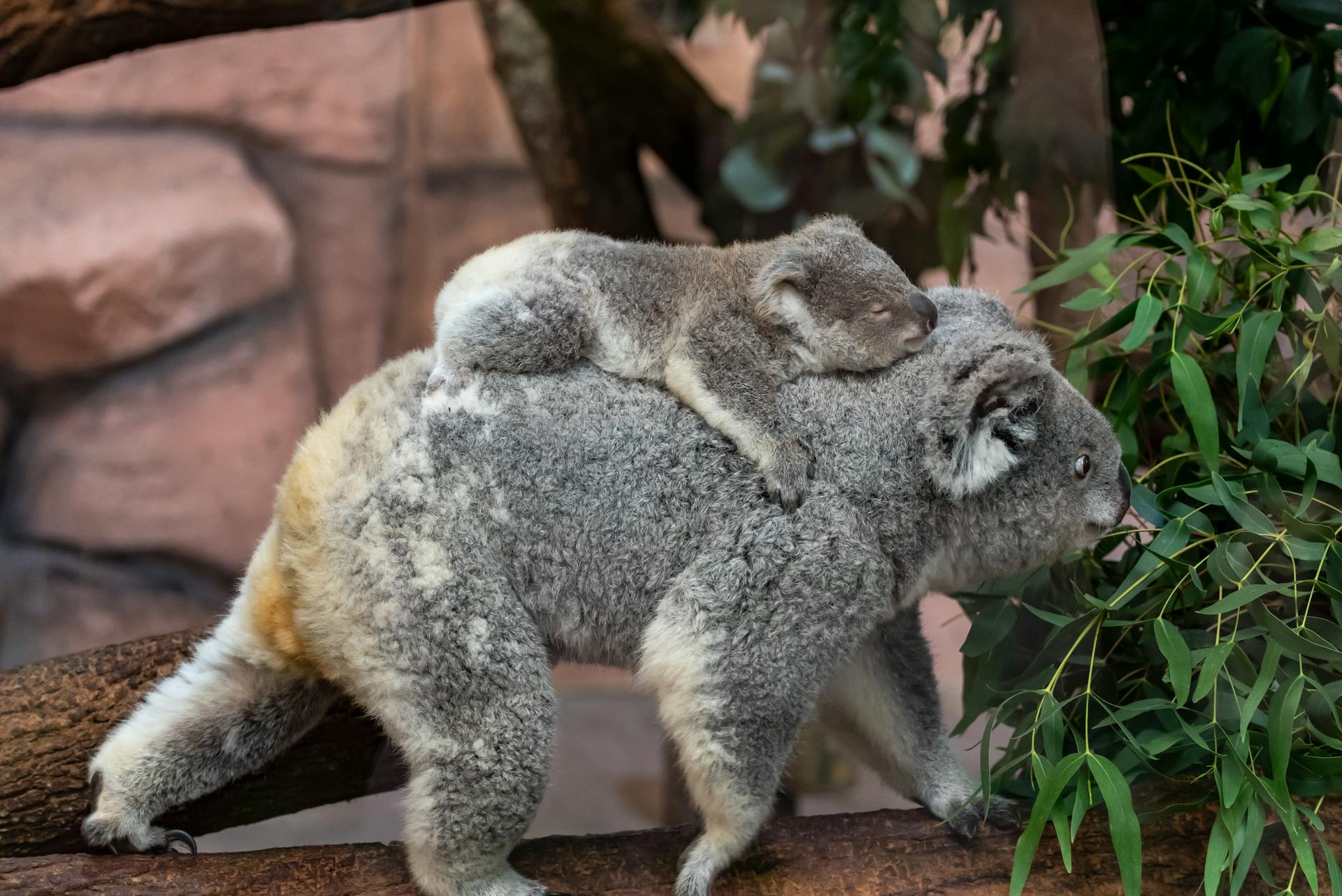
Cuteness, Conservation, and Charm
Koalas, Australia’s iconic marsupials, are known for their fluffy ears, soft fur, and laid-back demeanor, capturing the hearts of animal lovers worldwide. These creatures are not just adorable, each koala carries a unique charm, often inspiring stories of resilience, survival, and conservation. As someone who has long been fascinated by them, I’ve fallen in love with not only their cuteness but also their remarkable adaptations to the harsh Australian environment. In this article, I’ll dive into what makes koalas so special, some heartwarming stories of koala conservation, and a few surprising facts that make them even more lovable.
Why We Love Koalas
There’s something undeniably captivating about koalas. Their round, teddy-bear-like faces, calm expressions, and habit of lounging in eucalyptus trees make them the epitome of serenity. It’s easy to see why many people, myself included, are enchanted by them. Watching a koala slowly nibble on eucalyptus leaves, seemingly without a care in the world, stirs a sense of peace and joy.
But beyond their cuteness, koalas represent a larger story about the fragility of nature and the importance of conservation. They’ve become a symbol of wildlife preservation, not just in Australia, but globally, reminding us of the delicate balance between human progress and wildlife survival.
Interesting Facts About Koalas
Koalas might seem like simple, laid-back creatures, but their biology and lifestyle are surprisingly fascinating:
- Strict Eucalyptus Diet: Koalas have an exclusive diet of eucalyptus leaves, which are tough, fibrous, and contain toxins. They’ve evolved a specialized digestive system with a long cecum that allows them to break down these leaves. Amazingly, they can sleep for up to 20 hours a day because their diet is so low in nutrients!
- Not Actually Bears: Despite being called ‘koala bears,’ they’re not bears at all. Koalas are marsupials, which means they give birth to underdeveloped young (joeys) that then crawl into the mother’s pouch to grow and develop.
- Unique Fingerprints: Like humans, koalas have fingerprints. In fact, their fingerprints are so similar to ours that it’s hard to distinguish them, even under a microscope.
- Vocal Abilities: Though they’re often quiet, koalas can make deep, bellowing sounds, particularly during the mating season. Their vocal cords are specialized to produce low-frequency sounds, which is surprising for such a small animal.
- Impressive Climbers: With strong, sharp claws and two opposable digits on their front paws, koalas are expert tree climbers. They spend most of their lives in trees, and their hind limbs are also highly adapted to grip branches securely.
Stories of Koala Conservation
While the wild charm of koalas is captivating, their survival story in the face of environmental challenges is just as compelling. In recent years, koalas have faced threats from habitat destruction, climate change, and diseases like chlamydia, which has decimated populations in some areas. Yet, amid these challenges, there are heartwarming stories of people coming together to save these animals.
The Rescue Efforts During Australian Bushfires: The 2019–2020 bushfires in Australia devastated wildlife, with koalas among the most affected. Heroic efforts by volunteers, firefighters, and wildlife carers saved thousands of koalas from certain death. Organizations like the Port Macquarie Koala Hospital played a crucial role, rescuing injured koalas, treating burns, and releasing them back into the wild once they recovered.
Koala Rewilding Programs: There are several initiatives aimed at rewilding koalas and restoring their natural habitats. The Australian Koala Foundation has been a leader in these efforts, advocating for the preservation of eucalyptus forests, which are essential for koalas’ survival. They are also pushing for the Koala Protection Act to be passed, which would provide stronger legal protections for koala habitats.
Adoption Programs: Many people around the world have adopted koalas through wildlife conservation programs, funding care for injured or orphaned koalas. This type of support has helped ensure that these animals receive the medical attention they need and that rehabilitation centers have the resources to thrive.
Why Koalas Need Our Help
Though they seem content and serene, koalas are classified as a vulnerable species, with populations continuing to decline due to habitat destruction and climate change. Increased urbanization and land clearing for agriculture have fragmented their natural habitats, leaving koalas with fewer trees and resources.
Koalas are also extremely sensitive to climate changes. Since they don’t drink much water and rely on moisture from eucalyptus leaves, rising temperatures and droughts can be devastating. Additionally, disease, particularly chlamydia, has been a major concern, with certain koala populations in Queensland and New South Wales being severely affected.
What You Can Do to Help
The good news is that koala conservation efforts are making a difference, and you can be part of the solution. Here are a few ways to help:
- Support Koala Conservation Organizations: Groups like the Australian Koala Foundation, WWF Australia, and Friends of the Koala are doing vital work in protecting koalas and their habitats. Donating to these organizations can directly contribute to on-the-ground conservation efforts.
- Adopt a Koala: Many organizations offer symbolic adoption programs where you can support a specific koala in need, helping fund its care and rehabilitation.
- Spread Awareness: Koalas are an international symbol of wildlife conservation. Sharing their story helps inspire others to take action and support initiatives that protect endangered species.
Learn More About Koalas
For those as captivated by koalas as I am, here are some great resources to deepen your knowledge:
- National Geographic’s Koala Facts and Photos: A comprehensive look at the life of koalas and the threats they face. National Geographic – Koala Facts.
- Australian Koala Foundation: Dedicated to conserving koalas and their habitats through research and advocacy. Australian Koala Foundation.
- WWF Australia’s Koala Conservation Program: Information on the conservation work being done to protect koalas across Australia. WWF Australia – Koalas.
Conclusion
Koalas are more than just a cute face; they’re a testament to the resilience of nature and the importance of conservation. From their specialized eucalyptus diet to their tree-dwelling lifestyle, koalas are full of surprises. But it’s their vulnerability in the face of environmental threats that makes them symbols of the ongoing fight to protect wildlife. By learning more, supporting conservation efforts, and spreading awareness, we can all play a part in ensuring these adorable creatures continue to thrive in the wild.